.png)
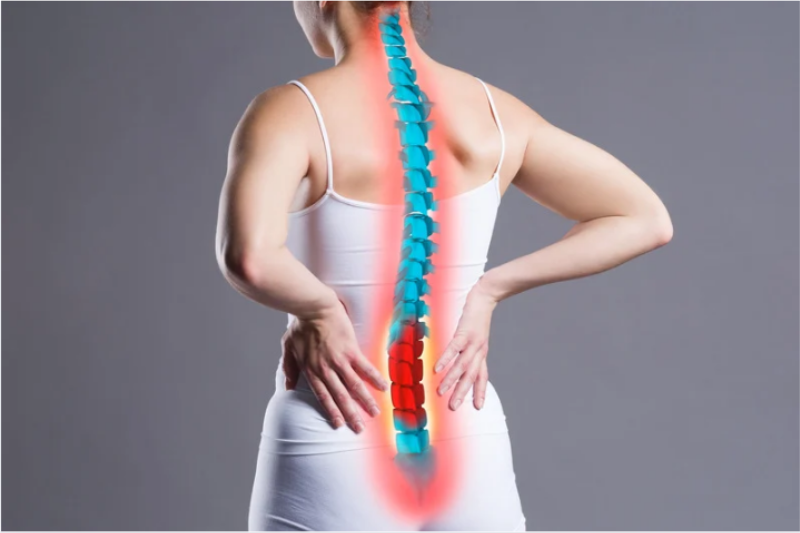
Sciatica can be incredibly frustrating and exhausting to live with. For many people, it starts as a sharp pain in the lower back or hip and slowly turns into burning, tingling, numbness, or shooting pain that travels down the leg. Simple activities like sitting in the car, walking through the grocery store, sleeping comfortably, or even bending down to pick something up can suddenly feel overwhelming. Over time, the fear of triggering the pain again can begin affecting every part of daily life.
Many people think sciatica is simply a “pinched nerve” or a structural back issue, but the reality is much more complex. The brain and nervous system play a major role in how pain is processed, interpreted, and experienced. This is why two people with similar imaging findings can have completely different pain experiences. A true healing approach must consider not only the area of discomfort, but also how the nervous system, movement patterns, posture, inflammation, and stress levels are contributing to the problem.
At Brain Health D.C., we believe healing begins when we stop looking at symptoms in isolation and start understanding the body as a connected system. Through functional neurology, chiropractic care, rehabilitation therapies, and personalized treatment strategies, we work to support the nervous system as a whole. When communication between the brain and body improves, many patients begin experiencing not only relief, but also greater resilience, movement, confidence, and hope in their recovery journey.
Understanding Sciatica: More Than Just Leg Pain
What Is Sciatica?
Sciatica refers to irritation or compression involving the sciatic nerve, the largest nerve in the body. The sciatic nerve originates in the lower back and travels through the hips, glutes, and down each leg. When this nerve becomes irritated, inflamed, or compressed, symptoms can radiate far beyond the lower back itself.
Although many people describe sciatica as simply “leg pain,” it is actually a nervous system condition involving communication between the spine, muscles, joints, and brain. The symptoms can vary significantly from person to person depending on the cause, severity, and overall nervous system involvement.
Some people experience occasional flare-ups, while others struggle with persistent symptoms that interfere with movement, sleep, work, and daily activities.
Common Symptoms of Sciatica
Sciatic nerve irritation can create a wide range of symptoms, including:
- Sharp or shooting pain down the leg
- Burning sensations
- Tingling or “pins and needles”
- Numbness
- Muscle weakness
- Pain in the glutes or hips
- Difficulty standing for long periods
- Increased pain while sitting
- Tightness or pulling sensations in the leg
- Pain that worsens with certain movements
Common Causes of Sciatica
Sciatica can develop from several different mechanical and neurological stressors. While herniated discs are commonly discussed, they are far from the only cause.
Some of the most common contributors include:
- Herniated or bulging discs
- Spinal joint restrictions
- Pelvic imbalance
- Muscle tension or piriformis syndrome
- Poor posture
- Repetitive strain or overuse
- Sedentary lifestyles
- Sports injuries
- Pregnancy-related pelvic changes
- Inflammation around the nerve
- Degenerative spinal changes
Why Symptoms Can Become Chronic
One of the biggest misconceptions about sciatica is that it is purely structural. While structural irritation certainly matters, chronic symptoms often involve nervous system sensitization and compensation patterns throughout the body.
When pain persists for long periods of time:
- Muscles may tighten to protect the area
- Movement patterns begin to change
- Posture adapts to avoid discomfort
- Balance and coordination may shift
- The nervous system becomes more reactive
The Nervous System’s Role in Sciatic Pain
How the Brain Processes Pain
Pain is not simply created at the site of injury. Pain is processed and interpreted by the brain and nervous system. This means the brain is constantly gathering information from the body and deciding how much protection or pain response is necessary.
When tissues become irritated, inflamed, or stressed, the nervous system sends signals to the brain. The brain then evaluates those signals alongside other factors such as:
- Stress levels
- Sleep quality
- Previous injuries
- Emotional state
- Movement patterns
- Inflammation
- Environmental stressors
The Brain-Body Connection in Sciatica
The brain controls posture, movement coordination, balance, muscle activation, and sensory processing. When these systems are not functioning efficiently, extra stress can be placed on the lower back, pelvis, hips, and sciatic nerve pathways.
For example:
- Poor balance may alter walking mechanics
- Muscle imbalances can increase spinal stress
- Restricted mobility may change movement efficiency
- Weak stabilization patterns can overload certain joints and tissues
Why Stress Can Intensify Sciatic Symptoms
Stress has a significant influence on the nervous system and can intensify sciatic symptoms in ways many people do not realize.
When the body remains in chronic “fight or flight” mode:
- Muscles tend to tighten
- Inflammation may increase
- Recovery becomes slower
- Sleep quality declines
- Pain sensitivity increases
- The nervous system remains hypervigilant
Many patients notice their sciatica worsens during periods of emotional stress, poor sleep, overwork, or exhaustion. This is because the nervous system does not separate physical stress from emotional stress—both influence how the brain processes pain and recovery.
Neuroplasticity and Recovery
One of the most encouraging concepts in neuroscience is neuroplasticity, which refers to the brain’s ability to adapt and change throughout life.
The nervous system is constantly learning from the input it receives. This means unhealthy movement patterns and chronic pain responses can become reinforced over time—but healthier patterns can also be retrained.
Recovery may involve:
- Improving movement quality
- Restoring balance and coordination
- Reducing nervous system stress
- Enhancing sensory input
- Supporting spinal mobility
- Building stability and resilience
Why a Brain-Based Approach Changes Everything
Looking Beyond the Site of Pain
Many traditional approaches focus only on the area where pain is being felt. While this can provide temporary symptom relief, it may overlook the deeper neurological and functional patterns contributing to sciatica in the first place.
The body functions as an interconnected system. Restrictions, imbalances, and dysfunctional movement patterns in one area can create compensation patterns elsewhere throughout the body.
For example:
- Poor ankle mobility may affect walking mechanics
- Hip instability can increase stress on the lower back
- Vestibular dysfunction may alter posture and balance
- Weak core activation may overload spinal structures
Functional Neurology and Sciatica
Functional neurology looks at how well the nervous system is functioning rather than simply searching for structural damage alone. At Brain Health D.C., this means evaluating how the brain and body communicate through movement, coordination, posture, sensory processing, and reflexive control.
Functional neurological assessments may examine:
- Balance and coordination
- Eye movements and visual processing
- Reflexes
- Gait patterns
- Vestibular function
- Muscle activation patterns
- Postural stability
- Sensory integration
Restoring Healthy Communication Pathways
The nervous system depends on accurate sensory input and efficient communication between the brain and body. When movement becomes restricted or compensation patterns develop, communication pathways may become less efficient.
A brain-based approach works to improve these pathways through targeted therapies that may include:
- Chiropractic adjustments
- Neurological rehabilitation
- Balance training
- Vestibular exercises
- Functional movement therapies
- Sensory integration strategies
- Mobility and stabilization work
Personalized Care vs. One-Size-Fits-All Treatment
No two people experience sciatica the same way because no two nervous systems are identical. Every patient has a unique history involving stress, injuries, movement habits, inflammation, lifestyle factors, and neurological patterns.
At Brain Health D.C., personalized care is one of the most important parts of the healing process. Treatment plans are designed around the individual—not simply the diagnosis.
This may involve combining several supportive approaches, including:
- Chiropractic care
- Functional neurological rehabilitation
- Soft tissue therapies
- Functional medicine support
- Nutritional strategies
- At-home exercises
- Stress regulation techniques
Healing Sciatica by Supporting the Nervous System
Sciatic pain can feel overwhelming, especially when symptoms begin interfering with everyday life, movement, sleep, and emotional well-being. Many people are told to simply manage the pain or accept it as part of aging or stress. But the truth is, the body and nervous system are incredibly adaptable, and healing is often possible when we begin addressing the deeper factors contributing to dysfunction.
The nervous system plays a major role in how pain is processed, experienced, and resolved. This is why meaningful recovery often requires more than simply focusing on the area of pain itself. Supporting movement quality, posture, nervous system regulation, inflammation, stress recovery, and brain-body communication can create profound changes in how the body functions and heals.
If you are struggling with persistent sciatic pain, you do not have to navigate it alone. At Brain Health D.C., we provide compassionate, personalized care designed to support both the nervous system and the body as a whole. Through chiropractic care, functional neurology, rehabilitation therapies, and integrative wellness approaches, our goal is to help patients move toward meaningful, long-term healing and improved quality of life.
Contact Brain Health D.C.
Brain Health D.C.
1905 Calle Barcelona
Suite 234
Carlsbad, CA 92009
Phone: (858) 208-0710
Fax: (858) 239-1317
Email: infochiro@fitnessgenome.net
Website: Brain Health D.C. Official Website
