.png)
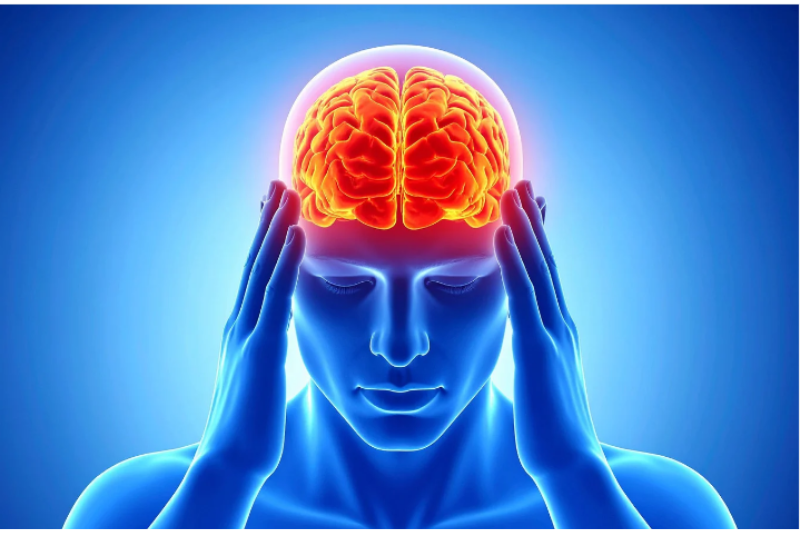
One of the most common things I hear from patients is, "I've been told I just have to live with it." Whether they are dealing with a concussion, chronic dizziness, brain fog, attention challenges, headaches, or age-related cognitive concerns, many people arrive feeling discouraged and uncertain about what is possible.
For years, we were taught that the brain was relatively fixed after childhood. The belief was that once brain cells were damaged or lost, there was little opportunity for meaningful change. Fortunately, modern neuroscience has transformed our understanding of how the brain works.
As a Functional Neurologist, I have the privilege of witnessing the brain's remarkable adaptability every day. While every person's journey is unique, one principle remains consistent: the brain is constantly changing in response to the experiences, environments, and inputs it receives. This incredible ability is known as neuroplasticity.
Understanding neuroplasticity offers hope for individuals of all ages. It reminds us that our bodies and brains are not static. They are dynamic systems capable of adaptation, growth, and improvement throughout life.
What Is Neuroplasticity?
Defining Neuroplasticity
Neuroplasticity refers to the brain's ability to change, reorganize, and form new neural connections. These changes occur in response to learning, experiences, injury, rehabilitation, and even daily habits.
Think of your brain as a vast network of roads. The more frequently a road is used, the stronger and more efficient it becomes. Similarly, the pathways in your brain become stronger with repeated use.
Why Neuroplasticity Matters
Neuroplasticity plays a role in nearly every aspect of life, including:
- Learning new skills
- Building memory
- Recovering from injuries
- Improving balance and coordination
- Enhancing athletic performance
- Developing resilience to stress
- Supporting healthy aging
Positive and Negative Neuroplasticity
Neuroplasticity can work in our favor or against us.
Positive neuroplasticity occurs when healthy activities strengthen beneficial brain pathways, such as:
- Regular physical activity
- Quality sleep
- Cognitive challenges
- Meaningful social interaction
- Targeted rehabilitation
Negative neuroplasticity occurs when unhealthy patterns become reinforced, including:
- Chronic stress
- Poor sleep habits
- Physical inactivity
- Persistent pain patterns
- Limited cognitive stimulation
Can the Brain Heal Itself?
Understanding the Brain's Capacity for Recovery
One of the most frequently asked questions I receive is, "Can the brain heal itself?"
The answer is both encouraging and nuanced.
The brain possesses an extraordinary ability to adapt and compensate. In many cases, healthy areas of the brain can develop new connections that help restore function. However, healing does not always mean returning to exactly the way things were before an injury or illness.
Instead, the brain often finds new and more efficient ways to accomplish tasks.
Factors That Influence Brain Recovery
Several factors can affect how well the brain adapts and recovers:
- Age and overall health
- Severity and duration of symptoms
- Lifestyle habits
- Sleep quality
- Nutrition status
- Stress levels
- Consistency of rehabilitation
- Early intervention
Real-World Examples of Neuroplasticity
Neuroplasticity can be seen in many situations, including:
- Stroke recovery
- Concussion rehabilitation
- Vestibular and balance disorders
- ADHD and attention challenges
- Autism spectrum disorders
- Learning differences
- Healthy aging and cognitive optimization
Why Comparing the Brain to a Muscle Is Both Helpful and Misleading
How the Brain Is Similar to a Muscle
The comparison between the brain and a muscle exists for a reason.
Like muscles, the brain responds to use. Repeated practice strengthens neural pathways much like repeated exercise strengthens muscle fibers.
Both require:
- Consistent training
- Progressive challenge
- Adequate recovery
- Proper nutrition
- Long-term commitment
How the Brain Is Different
While the comparison is useful, the brain is far more complex than a muscle.
Muscles become stronger by adapting tissue. The brain becomes more efficient by improving communication between networks of neurons.
Rather than building bigger structures, the brain creates better connections.
A more accurate comparison may be to think of the brain as a sophisticated communication network that constantly updates itself based on experience.
How Functional Neurology Uses Neuroplasticity
The Foundation of Brain Training Functional Neurology
At Brain Health D.C., neuroplasticity serves as one of the foundational principles behind our approach to care.
Functional neurology focuses on identifying areas of the nervous system that may not be functioning optimally and then providing targeted stimulation to encourage healthier neurological activity.
Rather than simply asking what diagnosis a person has, we ask a deeper question: How is their brain functioning?
Identifying Functional Imbalances
Many individuals experience symptoms long before traditional imaging studies reveal significant pathology.
Examples include:
- Brain fog
- Dizziness
- Balance difficulties
- Poor concentration
- Chronic headaches
- Motion sensitivity
- Fatigue
Brain Training Therapy Approaches
Depending on the individual's needs, brain training therapy may include:
- Ocular and visual therapy
- Vestibular rehabilitation
- Balance retraining
- Sensory integration exercises
- Rhythm and timing activities
- Neuro-muscular rehabilitation
- Cognitive exercises
- Reaction time training
Neuroplasticity Exercises That Support Brain Change
What Makes Neuroplasticity Exercises Effective?
Not all exercises influence the brain equally.
The most effective neuroplasticity exercises typically involve:
- Repetition
- Novelty
- Specificity
- Attention
- Progressive challenge
Physical Neuroplasticity Exercises
Certain physical activities can strongly stimulate brain adaptation, including:
- Balance exercises
- Coordination drills
- Cross-body movements
- Agility training
- Reaction time activities
Cognitive Neuroplasticity Exercises
Mental challenges can also strengthen neural networks.
Examples include:
- Learning a new language
- Playing a musical instrument
- Solving puzzles
- Reading challenging material
- Practicing memory exercises
- Learning new skills
Sensory-Based Neuroplasticity Exercises
The brain relies heavily on sensory information to function properly.
Examples include:
- Eye tracking exercises
- Visual processing activities
- Auditory training
- Balance challenges
- Coordination exercises
How to Rewire Your Brain Through Daily Habits
Sleep: The Brain's Reset Button
Sleep is one of the most powerful tools for brain health.
During sleep, the brain:
- Consolidates memories
- Removes waste products
- Supports repair processes
- Strengthens learning pathways
Exercise and Movement
Physical activity is one of the most effective ways to improve brain function naturally.
Regular movement can:
- Increase blood flow to the brain
- Support neurotrophic growth factors
- Enhance mood
- Improve focus
- Promote healthy aging
Nutrition Matters
The brain requires a constant supply of nutrients to function optimally.
A brain-supportive nutritional approach often includes:
- Anti-inflammatory foods
- Adequate protein
- Healthy fats
- Colorful vegetables
- Proper hydration
Stress Management
Chronic stress can interfere with the brain's ability to adapt effectively.
Helpful strategies include:
- Mindful breathing
- Meditation
- Time outdoors
- Gratitude practices
- Gentle movement
- Meaningful social connection
Consistency Creates Change
Many people underestimate the power of small daily habits.
Neuroplasticity is not built through occasional bursts of effort. It develops through repeated actions performed consistently over time.
Small improvements repeated daily often produce remarkable results.
Brain Training Therapy: What Actually Works?
Separating Science From Hype
The popularity of brain training has led to an explosion of programs, apps, and products claiming to improve cognitive performance.
While some may be helpful, effective brain training therapy is much more than simply playing games on a screen.
Characteristics of Effective Brain Training
Successful programs are typically:
- Individualized
- Measurable
- Progressive
- Goal-oriented
- Evidence-based
The most meaningful improvements occur when training targets real-life function rather than isolated tasks.
A Whole-Brain Approach
The brain does not operate in isolation.
Effective brain training often considers:
- Movement
- Vision
- Balance
- Sensory processing
- Nutrition
- Sleep
- Stress regulation
When multiple systems work together, outcomes are often more meaningful and sustainable.
Your Brain Is Designed to Adapt
The truth about neuroplasticity is both simple and powerful. Your brain is constantly changing. Every thought, movement, experience, and habit influences the networks that shape how you think, feel, and function.
While the brain is not a muscle in the traditional sense, it responds to challenge, repetition, and practice in ways that are remarkably similar. Through targeted neuroplasticity exercises, healthy lifestyle habits, and individualized brain training therapy, it is possible to support healthier neurological function and improve brain function naturally.
Take the Next Step Toward Better Brain Health
If you are struggling with concussion symptoms, dizziness, balance problems, headaches, brain fog, developmental challenges, or simply want to optimize your neurological performance, I invite you to explore what may be possible for your brain and nervous system.
At Brain Health D.C., we use comprehensive neurological evaluations and personalized care plans designed to support the brain's natural ability to adapt and change. Every treatment plan is tailored to the individual because every brain is unique.
Brain Health D.C.
1905 Calle Barcelona, Suite 234
Carlsbad, CA 92009
Phone: (858) 208-0710
Fax: (858) 239-1317
Email: infochiro@fitnessgenome.net
Website: https://www.brainhealthdc.com/
